Customer and supplier portals
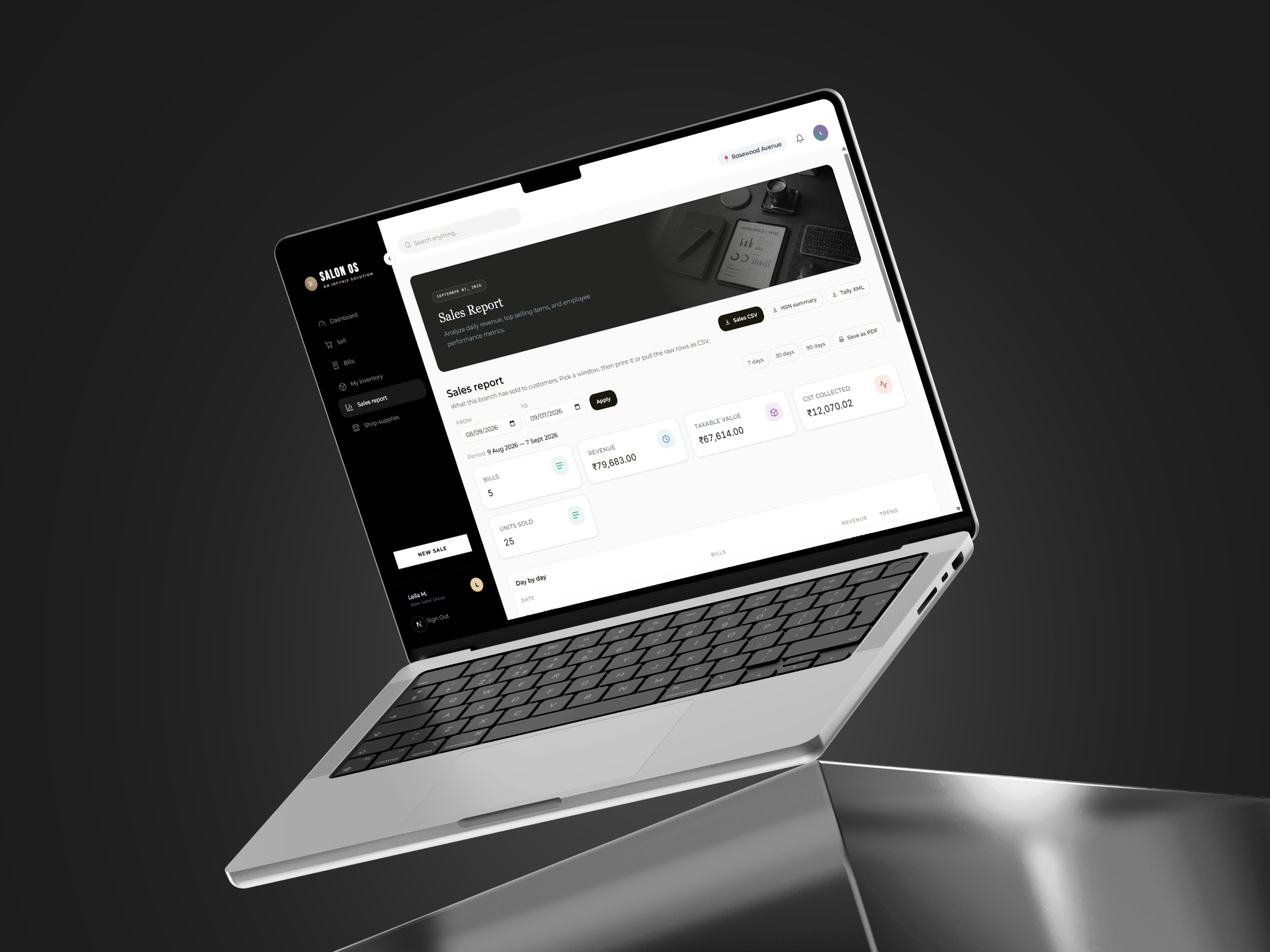
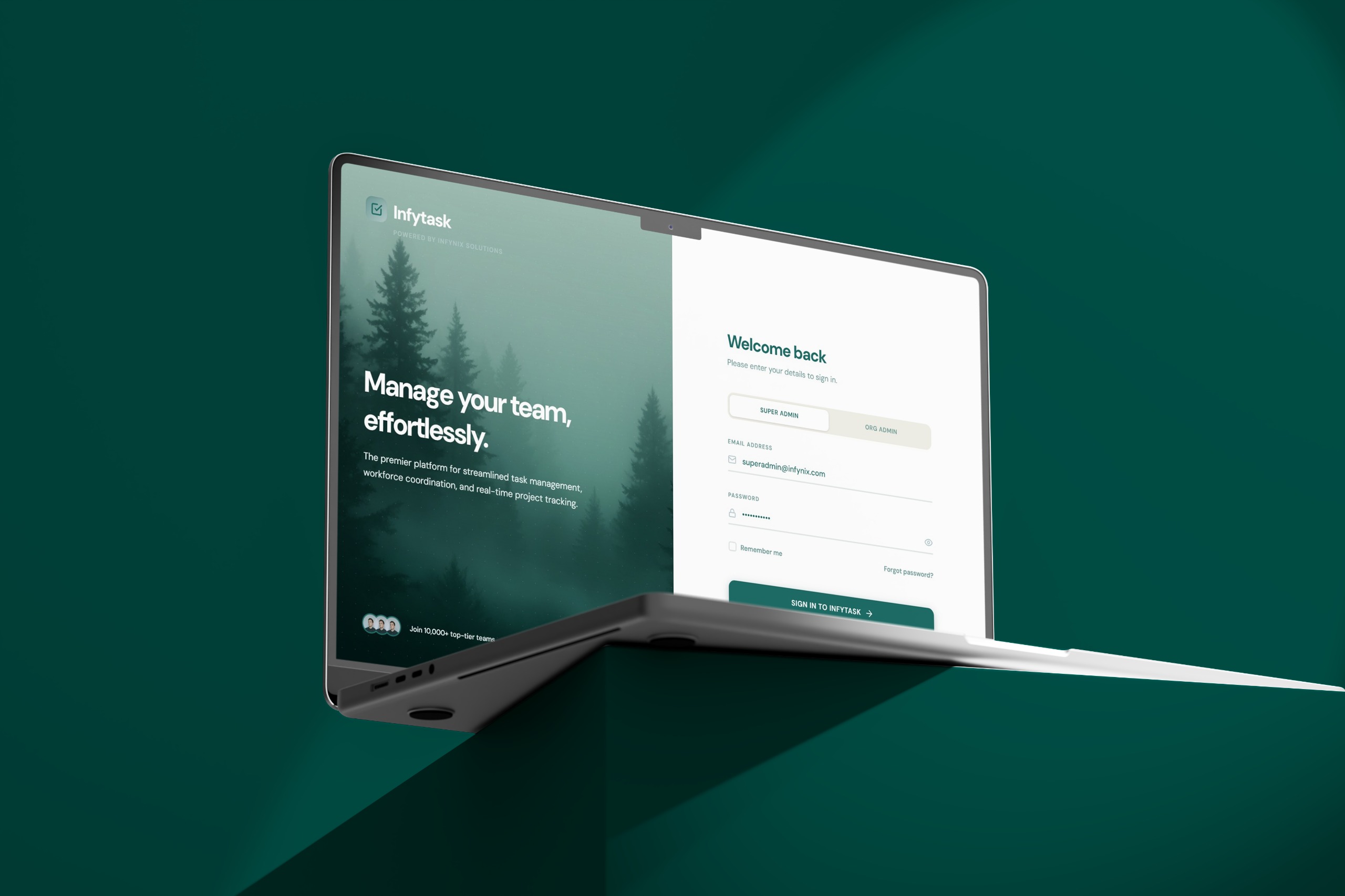
Orders, documents, invoices, tickets and approvals behind secure login with roles and audit trails.
Custom web software engineered in React 19 and Next.js built for your business operations. Off-the-shelf software forces teams into awkward, inefficient workarounds. Custom software should fit how you work, not the other way around.
OUR CAPABILITIES IN
Custom Web & App Development
We document features and user workflows.
We select frameworks, databases, and server specs.
We design clickable wireframes in Figma.
We build features in rapid two-week development sprints.
We test code for speed, security, and edge cases.
We launch on cloud servers with CI/CD deployment pipelines.
Custom web application development for UK businesses that need software no package provides: customer and supplier portals, marketplaces, booking and scheduling platforms, internal operations tools, quoting engines, member systems and the products SaaS companies sell. We design and build them from our office in Dagenham for clients across the country, on modern frameworks, in UK cloud regions, with security that passes a customer’s questionnaire.
The UK specifics run through every build. Sign-in with Microsoft 365 or Google Workspace because that is what British organisations use. Payments through Stripe, GoCardless direct debit and Open Banking. Documents signed with DocuSign or Adobe Sign. Companies House lookups to validate business customers. Data held under UK GDPR with a record of what is stored and why. Accessibility to WCAG 2.2 for anyone selling to the public sector or building for the public.
We work in short releases from a written specification, so the business is using the first version within weeks and shaping the rest on evidence. Everything is built to be owned: source code, cloud accounts and documentation in the client’s name, a test suite, a deployment pipeline, and a handover any competent developer could take on. Support after launch is in writing.
Professional services firms, distributors and manufacturers, property and facilities companies, education and training providers, healthcare and care organisations, logistics operators, membership bodies and SaaS founders.
Orders, documents, invoices, tickets and approvals behind secure login with roles and audit trails.
Availability, resources, deposits, reminders and calendar integration for services with capacity.
Two-sided products with onboarding, listings, payments, payouts and dispute handling.
The screens a business runs on, replacing spreadsheets and email chains.
Pricing rules, product configuration and proposals generated and tracked.
Multi-tenant platforms with billing, admin, security and the evidence enterprise buyers ask for.
Microsoft 365, Google and social sign-in, roles, permissions, two-factor authentication.
Stripe, GoCardless, Open Banking, e-signature and document generation.
| Stage | Typical duration | Output |
|---|---|---|
| Discovery and specification | 2 to 4 weeks | User journeys, written specification, architecture, plan |
| Design | 2 to 4 weeks | Tested prototype and screen designs |
| Core build | 6 to 12 weeks | The main workflows live for a pilot group |
| Integrations and hardening | 2 to 6 weeks | Connections, security testing, performance, accessibility |
| Launch | 1 to 2 weeks | Migration, training, monitoring, go-live |
| Product team | Monthly | Continuous improvement from a shared backlog |
Client portals with documents, approvals and payments that feel as safe as a bank.
Trade portals with account pricing, stock visibility and ordering integrated with the ERP.
Tenant, contractor and compliance platforms across a portfolio.
Applications, enrolment, learner and parent portals.
Joining, renewals, events, CPD and member directories.
A product built to be sold, secured and scaled from the first release.
Specification, design, build and launch with acceptance at each release.
A dedicated team building and improving month to month.
Stabilising a stalled or unsupported application and planning its future.
Hosting, monitoring, security updates and support in writing.
Any web application sold to or used by a larger UK organisation will meet a security questionnaire, and increasingly a request for Cyber Essentials or ISO 27001 alignment. Questions cover authentication, encryption, hosting location, backups, penetration testing, data retention and incident response. An application that cannot answer them loses the customer.
We build with two-factor authentication and SSO, encryption at rest and in transit, UK hosting, role-based access and audit logging, dependency and vulnerability scanning in the pipeline, and independent penetration testing before launch where the customer base warrants it, then document all of it so the questionnaire is answered from fact.
SSO, two-factor and session controls as standard.
At rest, in transit, in London or UK South.
Scanning in the pipeline, penetration testing where warranted.
Answers ready for questionnaires and assessors.
Clients and suppliers of most UK businesses interact through email: documents attached, approvals requested, invoices queried, status asked for. Each thread is a small piece of unrecorded work, and the client experience is only as good as the inbox discipline of whoever is on that day.
A portal gives each client or supplier one place to see orders, documents, invoices and status, approve and sign what needs approving, raise and track queries, and pay. Behind it, the business sees everything in one queue with an audit trail, and the systems update themselves.
Documents, orders, invoices, status and queries.
E-signature and approval built in.
Cards, direct debit and Open Banking inside the portal.
Every action recorded against the account.
A custom application that only its builder can change is a liability disguised as an asset. The honest test is whether a competent third party could take the code, deploy it and extend it from the documentation alone.
Every build includes a readable codebase on a mainstream stack, automated tests, a deployment pipeline, infrastructure as code, and documentation covering architecture, environments and operations, all in repositories and cloud accounts in the client’s name from day one.
Frameworks a UK developer market knows.
Changes verified and deployed repeatably.
Architecture, environments, operations.
Repositories and cloud accounts owned by you.
Long specifications and big-bang launches produce systems that fit the business as it was a year ago. We fix the scope of the first release to the workflow that hurts most, ship it to a pilot group within weeks, and let what they do with it shape the next release.
Each fortnight ends with working software and a written acceptance, so scope changes are conscious decisions and the business always knows what it has and what is next.
The most painful workflow, live early.
Real users shaping the product from the start.
Working software and acceptance every sprint.
What is next, always known.
Trade portals, marketplaces and B2B platforms in the UK need to know who they are dealing with. A supplier or customer account opened on a typed company name is a credit risk and, for regulated firms, a compliance gap. Companies House publishes the register through an API, and the identity verification rules now being phased in raise the bar further.
We integrate the Companies House lookup into onboarding so a company number pulls the registered name, address, status, officers and filing history into the account, flag dissolved or recently incorporated entities for review, and store the record with the account for credit and compliance decisions.
For firms that must run anti-money laundering checks, the same onboarding flow hands off to the firm’s regulated verification provider and records the outcome, so the portal becomes the compliance record rather than a gap in it.
Company details pulled from Companies House by number.
Dissolved, dormant or new entities raised for review.
The record kept for credit and compliance.
Regulated checks integrated where the firm needs them.
Infynix Solutions is registered separately in India, the United Kingdom and the United Arab Emirates. This page covers United Kingdom. The same service, written for the other markets:
Mainstream, well-supported stacks: React and TypeScript on the front end, Node.js or .NET on the back end, PostgreSQL or SQL Server, hosted on AWS London or Azure UK South. Chosen for the job and for the UK developer market.
Yes. SSO with Microsoft Entra and Google Workspace, plus email and two-factor authentication, with roles and permissions defined for the business.
Yes. Stripe for cards and wallets, GoCardless for direct debit, Open Banking through regulated providers, with every transaction posted to the accounting package.
It is built to: SSO and two-factor, encryption, UK hosting, audit logging, scanning in the pipeline and penetration testing where warranted, all documented for questionnaires and Cyber Essentials or ISO 27001 assessments.
If you serve the public sector or the public, usually yes, and it is good practice regardless. We design and test to WCAG 2.2 AA where required.
Ten to twenty-four weeks for most applications, with a pilot group using the first release within the first month or two.
You do. Repositories, cloud accounts, domains and documentation are in your name from day one, and the handover is written so any competent developer could take it on.
Yes. We audit the code and infrastructure, stabilise what is failing, document it and agree whether to continue, refactor or rebuild.
Yes. Quotes, proposals, contracts, statements and certificates are generated from templates with the account’s data, sent for e-signature where needed and stored against the record.
Yes. Managed application covers UK hosting, monitoring, security updates, backups and support with response times in writing, and a product team can continue development month to month.