User research
Interviews, usage data, session recordings and task analysis with real users, turned into decisions rather than a report.
Research, product design, prototyping and design systems for London software products and internal tools, tested with real users and carried through to working software by the same team.
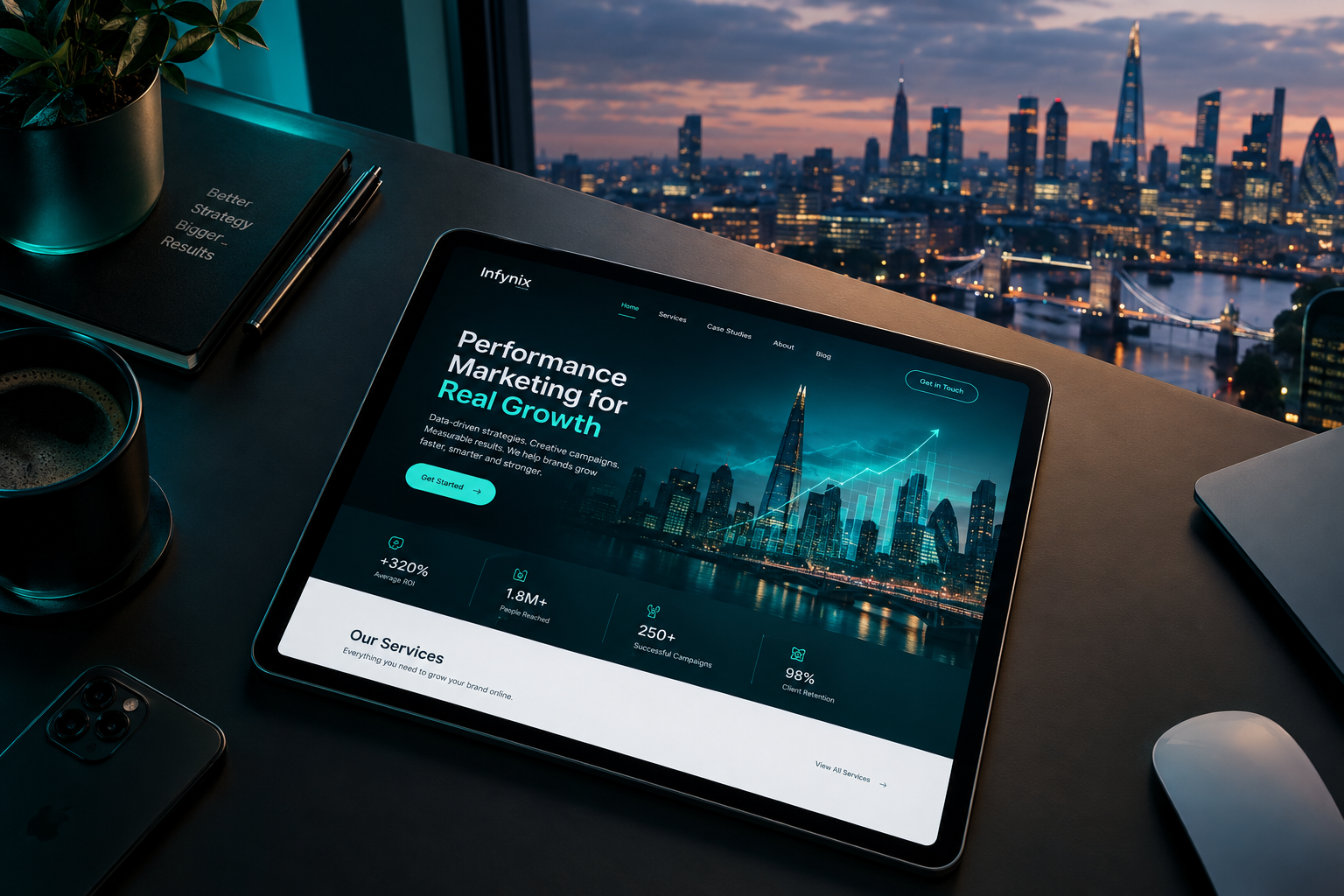
Most product decisions are made by the loudest person in the room. Research replaces that with evidence: what users are trying to do, where they fail, what they say and what they actually do. In a London startup or a corporate product team, a week of interviews and usage data changes what gets built, and it is far cheaper than building the wrong thing well.
Infynix Solutions designs software products and internal tools for London companies: research, flows, wireframes, prototypes tested with real users, visual design, a design system and a handoff engineers can build from without guessing. Because we build software too, design carries through to working code when the client wants one team.
We work with SaaS and fintech startups, healthcare and professional services firms, and companies whose staff spend hours a day in internal tools that were built but never designed.
A paid discovery phase producing a scoped roadmap you own outright.
Data model, integrations and infrastructure agreed before code.
Fortnightly demos, working software, no black box.
Your repositories, your infrastructure, documented.
Interviews, usage data, session recordings and task analysis with real users, turned into decisions rather than a report.
The structure of the product decided before visual design, reviewed with the people who will use it.
Clickable prototypes tested with users on the devices they own before a line of code is written.
Components, tokens and patterns documented so the product stays consistent as it grows, and becomes a code library.
WCAG-aligned design, which regulated and public sector buyers increasingly require of the products they license.
Specifications, assets and a component library, with the designer staying involved as the build reveals what the design missed.
Findings turned into a prioritised list of what to change and why.
Flows validated with real users before engineering begins.
Components and tokens documented, and built as code where we build the product.
Contrast, keyboard navigation, screen reader support and focus states handled.
The events and funnels that will tell you whether the design worked.
Specifications and assets engineers can build from without guessing.
| Engagement | Timeline |
|---|---|
| UX audit of an existing product | 1 to 2 weeks |
| Research and product definition | 2 to 4 weeks |
| App or web product design | 4 to 10 weeks |
| Design system | 3 to 6 weeks |
| Embedded product designer | Monthly |
Products that need a designed experience before the next round or the next enterprise pitch.
Flows where trust, speed and FCA disclosure requirements have to coexist on one screen.
Patient and clinician interfaces where clarity and error prevention matter.
Client portals and internal tools for firms where the interface is the service.
Operations, CRM and back-office screens staff use for hours a day.
Research, design and handoff for a defined product or release.
A designer working inside your product team month to month.
Design carried through to engineering by the same team.
Research does not need to be slow or expensive. A week of structured interviews, a look at the analytics and session recordings, and a task analysis of what users are actually trying to do produces more useful direction than a month of internal debate. The output is a prioritised list of what to change, not a deck.
We run research with real users of the product or its predecessor, on the devices they own, and we bring the findings into the design as decisions.
Structured conversations with the people who use or will use the product.
Analytics and session recordings where the product exists.
What users are trying to do, step by step, and where it breaks.
Findings turned into a prioritised backlog.
The most neglected interfaces in any London business are the ones staff use for hours a day: the case management screen, the booking system, the operations dashboard. They were built but never designed, and the cost shows up as errors, training time and workarounds. Designing them properly is often the highest-return design work a business can buy, because the users are captive and the volume is enormous.
We design internal tools with the same rigour as consumer products: observing the work, mapping the tasks, reducing steps, preventing errors, and testing with the people who will live in them.
Watching the work as it is done, not as it is described.
Removing clicks, fields and screens from the tasks done most.
Designing so mistakes are hard to make and easy to undo.
Prototypes tried by the people who will use them.
Design that stops at a Figma file is half a product. The handoff has to give engineers specifications, assets and a component library they can build from, and the designer has to stay involved as the build reveals what the design missed. Because Infynix builds software as well as designing it, design and engineering are one team when the client wants them to be, and the design system becomes a code library rather than a document.
After launch, the measurement plan tells us whether the design worked, and the next iteration is planned from real usage.
Everything engineers need, organised.
A design system that becomes code.
The designer stays involved through the build.
Events and funnels that show whether the design worked.
London is Europe's fintech capital, and a payments, lending or investment product has to do three things on one screen that pull against each other: earn trust, move fast and disclose what the FCA requires. Design that hides the disclosure fails compliance. Design that leads with it kills conversion. The work is in the sequencing, the language and the moment at which each piece of information appears.
We design regulated flows with the rules in scope from the first wireframe, test them with real users for comprehension as well as completion, and document the reasoning so compliance can sign it off without a rewrite.
FCA, CQC or other requirements mapped to screens before visual design.
Users tested on whether they understood, not just whether they completed.
The right information at the right moment, not all at once.
So compliance can approve the design rather than reopen it.
Infynix Solutions works from Dagenham and designs products for companies across London, with research and testing sessions on site or remote as the users dictate. Design, engineering and marketing are one team, so a product designed here can be built and launched by the same people.
The discovery call is free. Bring the product, the analytics and the complaint you hear most, and we will tell you where we would start.
Scope drives the number, so the honest answer comes after a short discovery rather than before it. What we commit to in advance is that the quote is fixed for the agreed scope, that there are no surprise extras, and that we tell you when a cheaper route would serve you better.
Yes. Prototypes are tested with real users of the product or its predecessor, on the devices they own, before engineering begins, and the findings change the design.
Yes, where the client wants one team. Infynix builds web and mobile software, so design carries through to engineering without a handoff gap and the design system becomes a code library.
Yes. Accessible design is the default, and we can design and test to a stated WCAG conformance level where a client, a regulator or a public sector buyer requires it.
A one to two week review of an existing product against usage data, heuristics and user tasks, producing a prioritised list of what to fix and why. It is the fastest way to find out where a product is losing users.
Yes, and it is often the highest-return design work a business can buy. Operations, CRM and case management screens used all day are designed from task observation, with fewer steps and error prevention, and tested with the staff who use them.
Yes. An embedded designer works inside your team month to month, in your tools and your sprints, with capacity scoped to the roadmap.
Yes. Flows where trust, speed and disclosure requirements have to coexist are a common brief, and we design with the FCA, CQC or other applicable rules in scope from the start.
A UX audit takes one to two weeks. Research and product definition takes two to four. Full product design runs four to ten weeks depending on scope, and an embedded designer works month to month.
Yes. We work in your Figma workspace where you have one, with a component library and design tokens that your engineers and future designers can inherit.
Yes, where the problem suits one. A structured week from problem framing to a tested prototype is a fast way to de-risk a feature or a new product direction before committing engineering time.
Tell us what you are trying to grow and we will tell you honestly whether we are the right people for it.
39 Becontree Avenue, Dagenham, Greater London RM8 2UH